01
Perlis
Did you know? Malaysia's smallest state — yet Perlis is named in the original 1957 Proclamation of Independence.
-
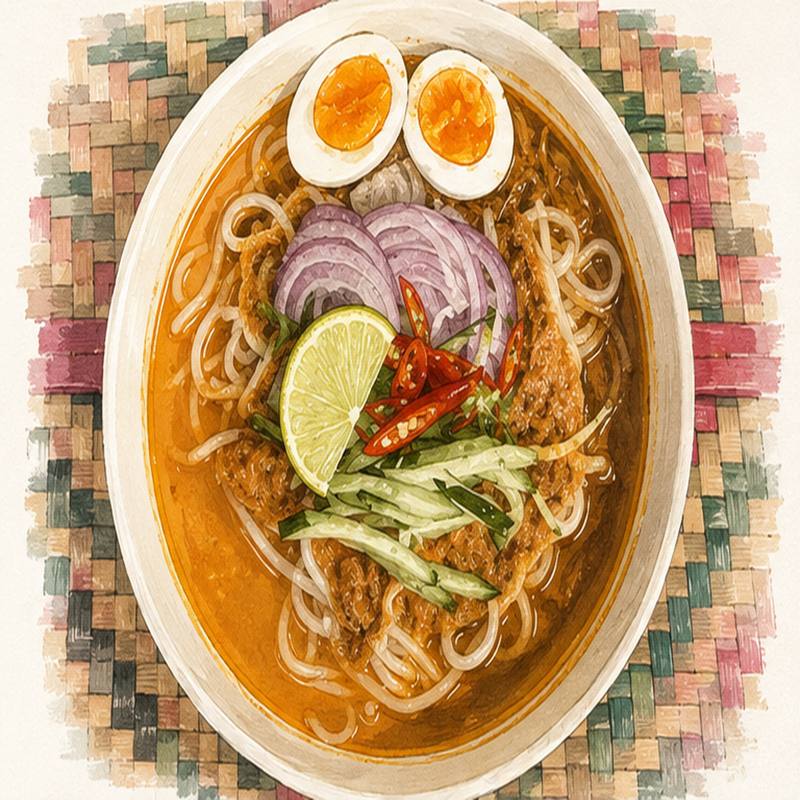
Laksa Kuala Perlis A rich fish laksa from the fishing town of Kuala Perlis — proof that the sea is this state’s kitchen.
-
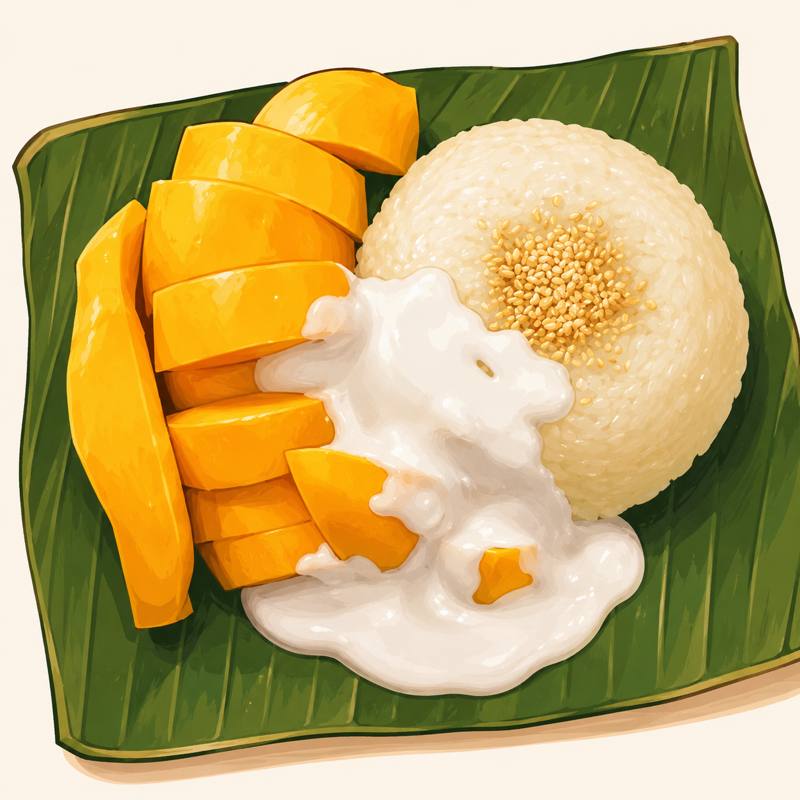
Pulut Harum Manis Harum Manis mango, in season just once a year, served with sticky rice — the pride of Perlis.
-
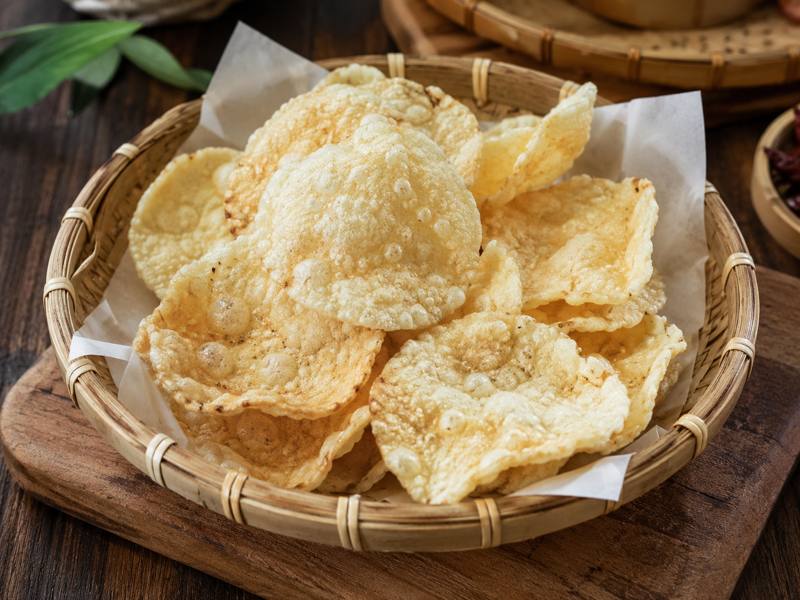
Embing Thin crackers fried until they shatter — a Perlis afternoon snack, good on their own.
02
Kedah
Did you know? Tunku Abdul Rahman, the Father of Independence, was born into the Kedah royal family.
-
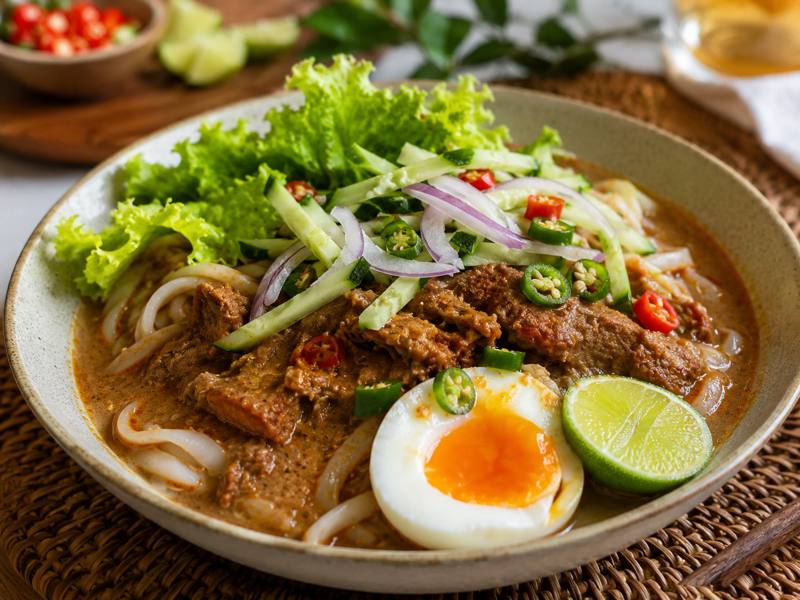
Laksa Kedah Northern-style laksa with fish gravy and boiled egg — the Kuala Kedah version sometimes adds eel!
-
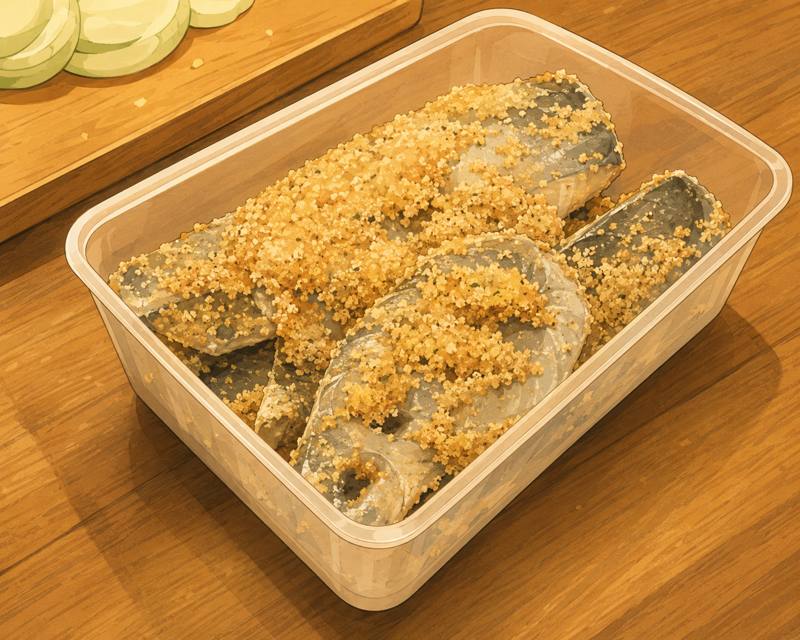
Pekasam Freshwater fish fermented with salt and rice — old-school preservation from the rice-bowl state.
-
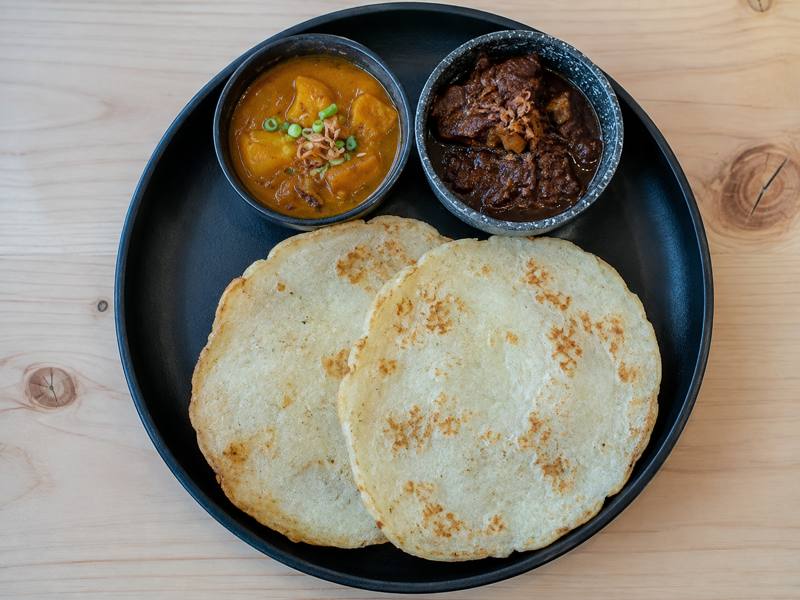
Peknga A glutinous rice-flour cake griddled crisp at the edges — eaten with curry or sambal, a northern heirloom.
03
Penang
Did you know? The date 31 August 1957 was chosen on the advice of Sheikh Abdullah Fahim, a scholar from Kepala Batas, Penang.
-
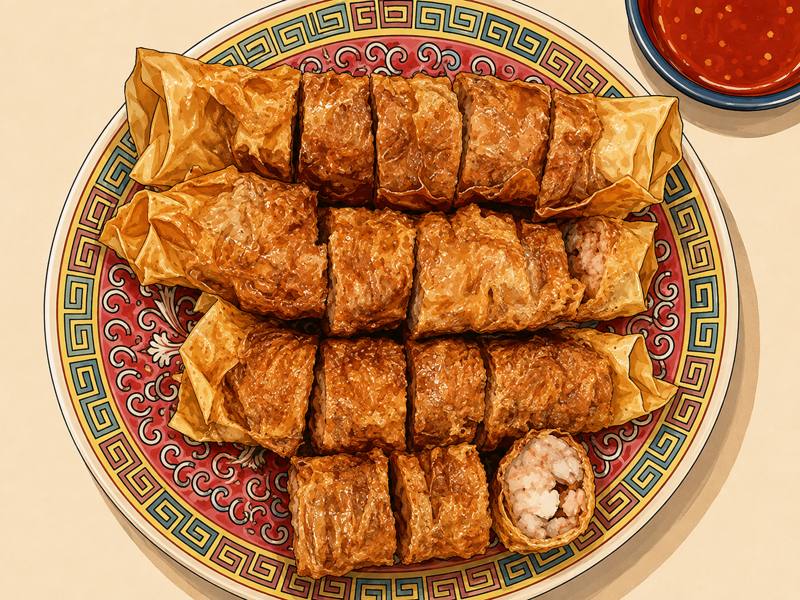
Loh Bak Five-spice meat rolls wrapped in beancurd skin and fried crisp — a Penang Hokkien heirloom.
-
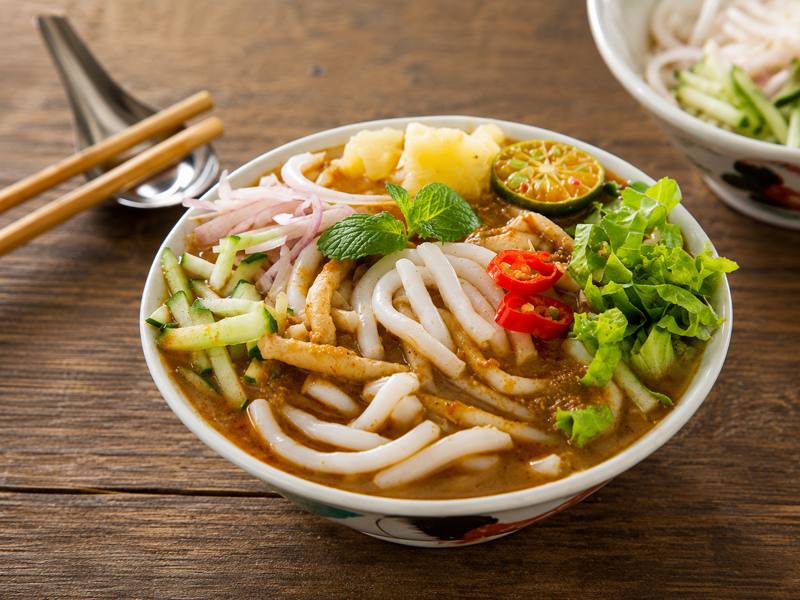
Asam Laksa Sour, spicy fish broth with tamarind, torch ginger and prawn paste — the laksa the world knows best.
-
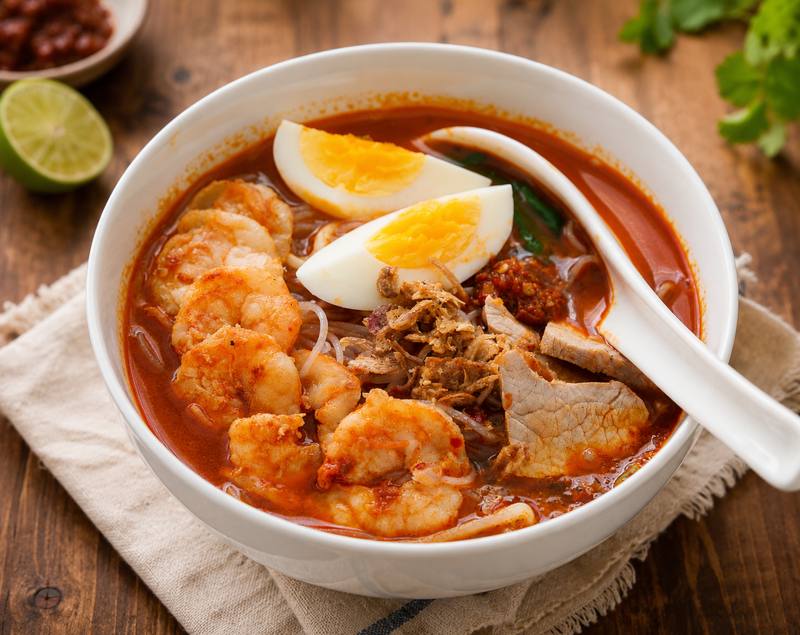
Penang Hokkien Mee Noodles in a deep prawn broth simmered for hours — red, spicy and rich with prawn-head aroma.
04
Perak
Did you know? The melody of Negaraku was adapted from Perak's state anthem as Malaya prepared for independence.
-
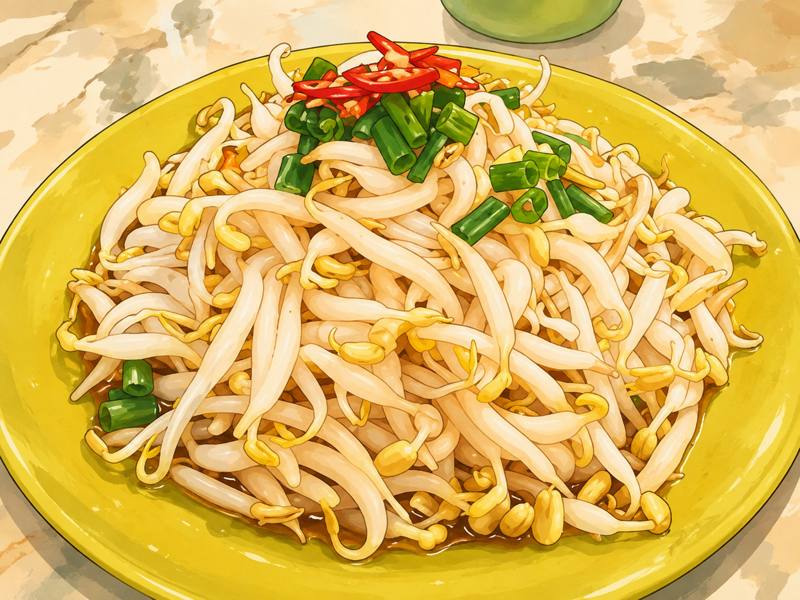
Ayam Tauge Ipoh Poached chicken with Ipoh’s famously plump, crunchy bean sprouts — credit the limestone water, locals say.
-
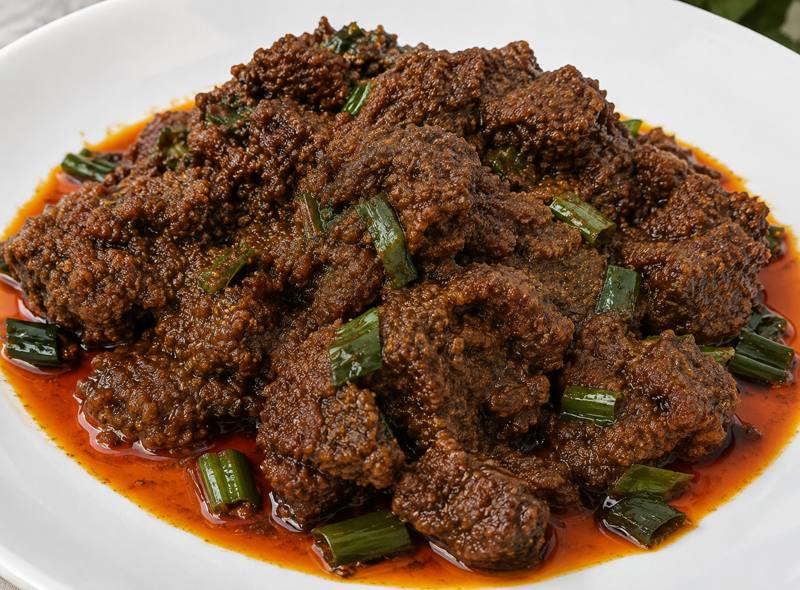
Rendang Tok A dark, dry beef rendang slow-cooked for hours — Perak’s dish for weddings and festive days.
-
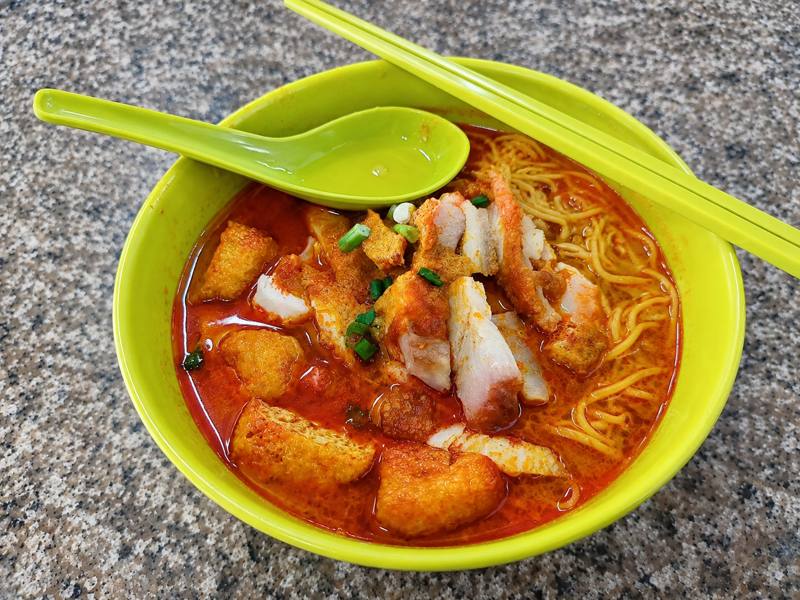
Curry Mee Ipoh Ipoh’s coconut curry noodles with bean sprouts, cockles and squid — white or red, take your pick.
05
Selangor
Did you know? At midnight on 30–31 August 1957 the Union Jack came down for the last time at the Selangor Club Padang — now Dataran Merdeka.
-
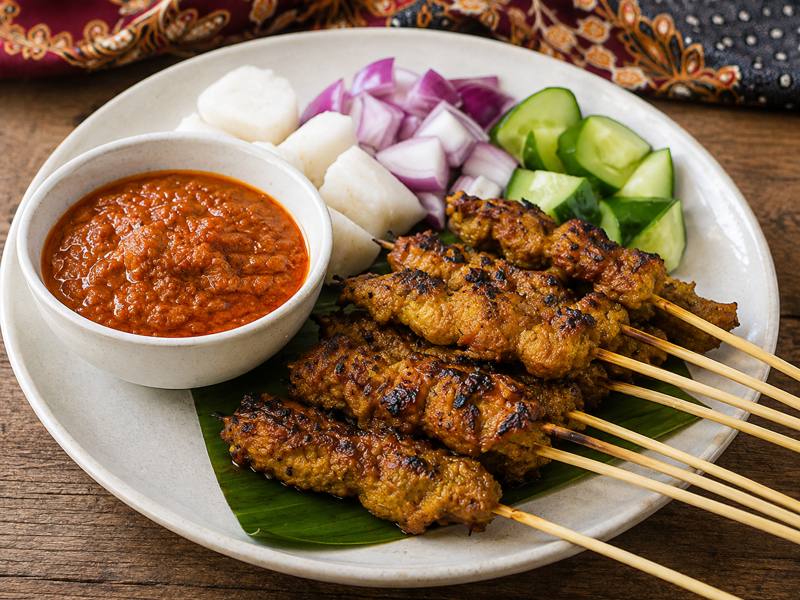
Satay Kajang Skewers about double the usual size — Kajang is nicknamed "Satay City", and the dish is gazetted Selangor heritage.
-
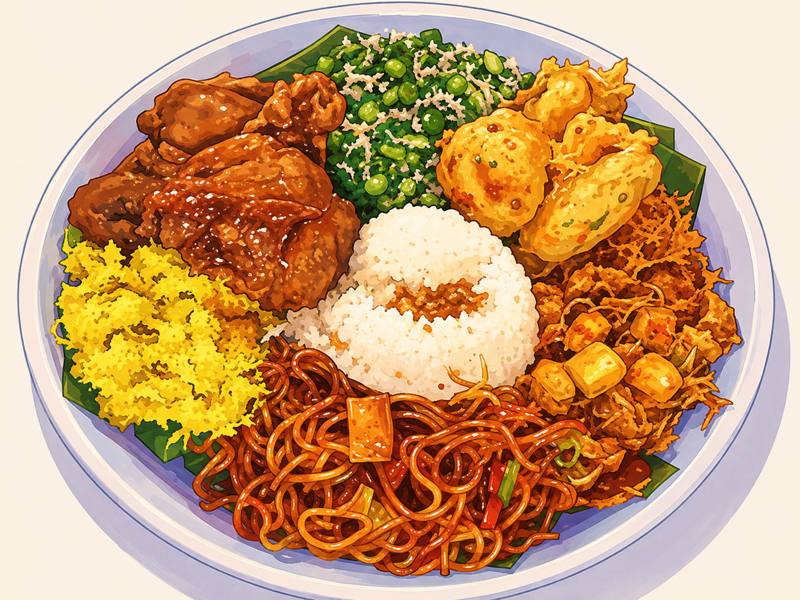
Nasi Ambeng Rice and dishes shared from one big tray — a Javanese-Selangor tradition built around eating together.
-
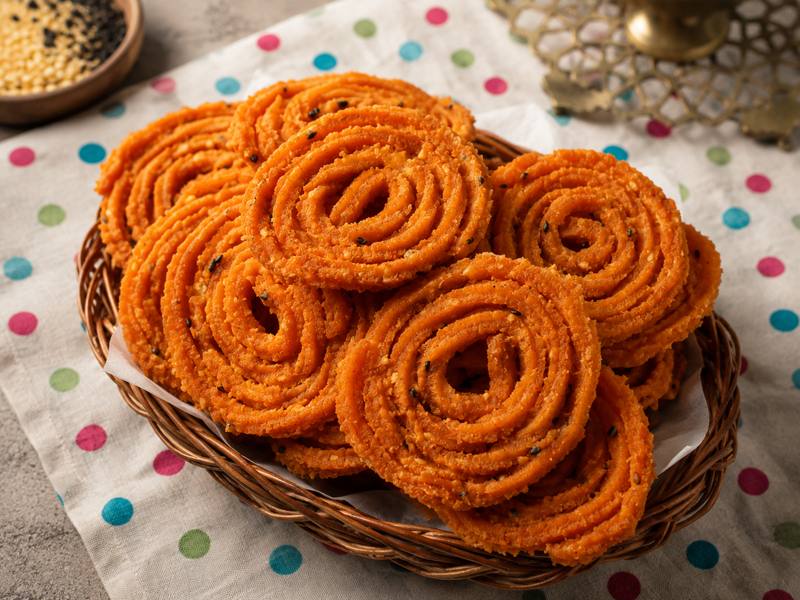
Murukku Crunchy spirals of rice and gram flour — a Deepavali essential in Selangor homes.
06
Negeri Sembilan
Did you know? Independent Malaya's first King was Tuanku Abdul Rahman, the Yang di-Pertuan Besar of Negeri Sembilan.
-
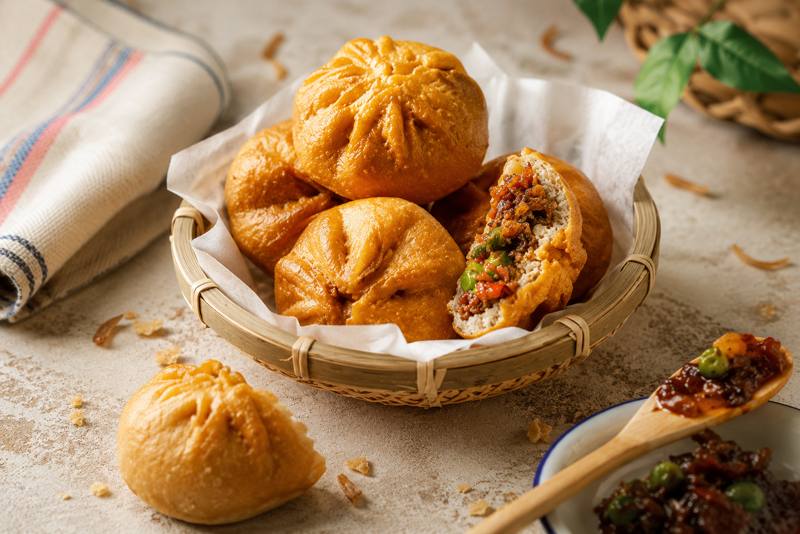
Seremban Siew Pau A baked bun with savoury meat filling — not steamed! Golden flaky pastry that made Seremban famous.
-
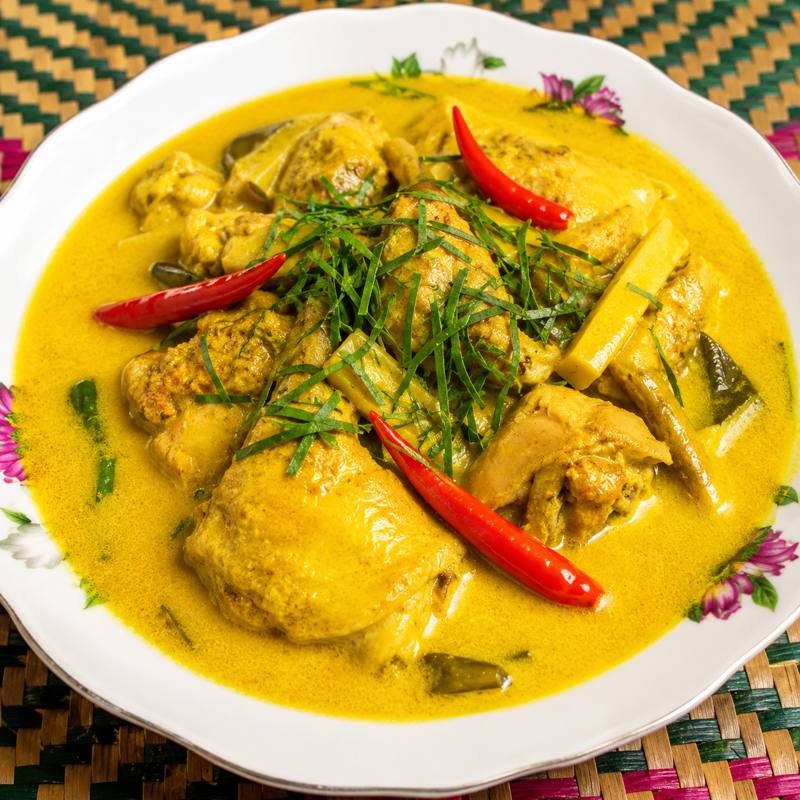
Masak Lemak Cili Api Rich coconut milk meets fiery bird’s-eye chilli — the Minangkabau soul of Negeri Sembilan in one pot.
-
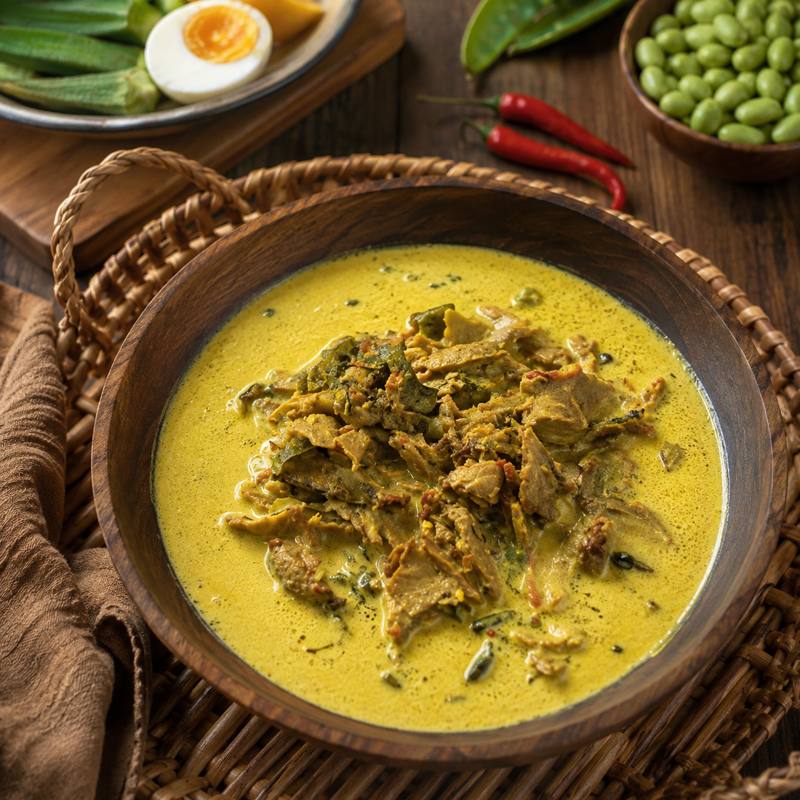
Daging Salai Masak Lemak Smoked beef simmered in coconut milk and bird’s-eye chilli — smoke meets santan, pure Negeri Sembilan.
07
Melaka
Did you know? At Padang Bandar Hilir, Melaka, on 20 February 1956, Tunku first announced the date of independence.
-
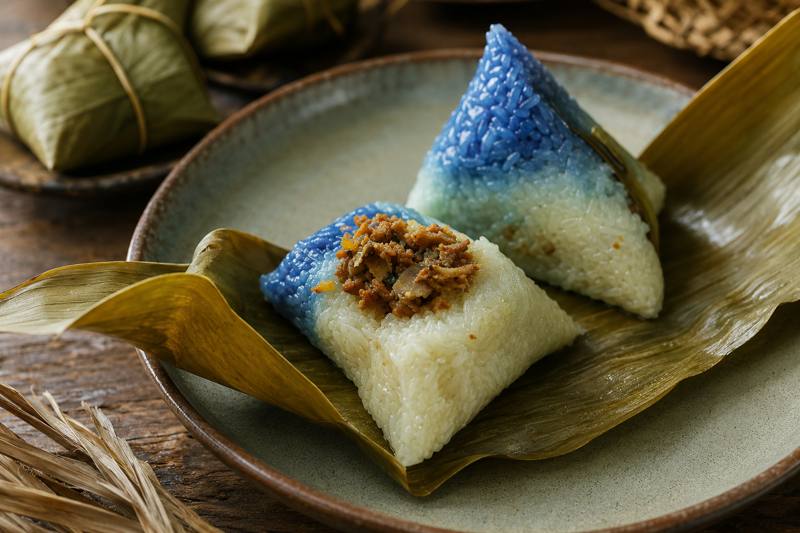
Nyonya Chang A Peranakan rice dumpling with a sweet-savoury filling, part of the rice dyed blue with butterfly pea.
-
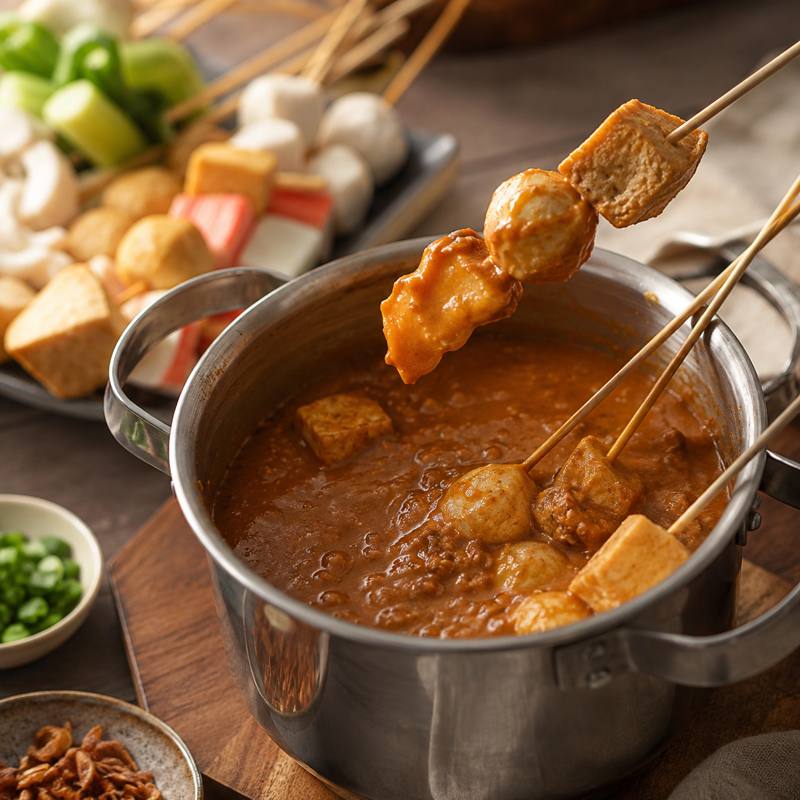
Satay Celup "Celup" means dip — your chosen skewers cook right in a shared pot of hot, spicy peanut sauce.
-
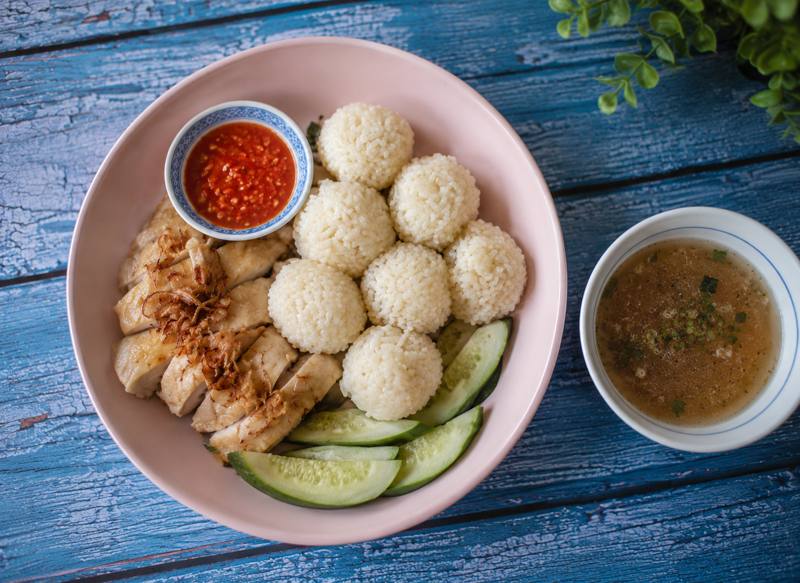
Nasi Ayam Bola Chicken rice rolled into firm little balls — Melaka’s own way of serving chicken rice.
08
Johor
Did you know? UMNO was founded at Istana Besar Johor on 11 May 1946 — an early step on the road to independence.
-
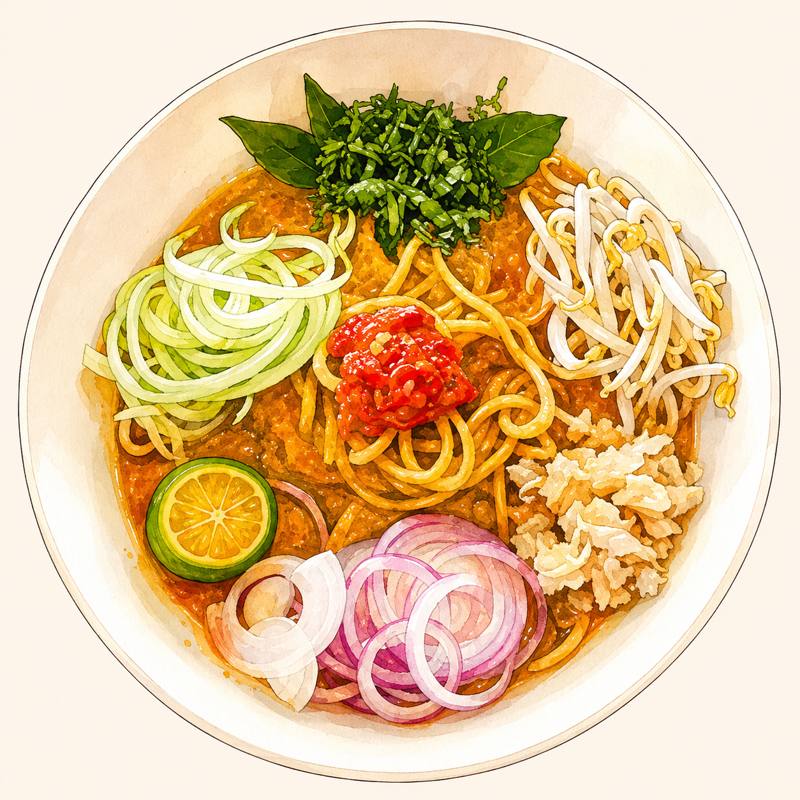
Laksa Johor The only laksa made with spaghetti — inspired by Sultan Abu Bakar’s travels to Europe.
-
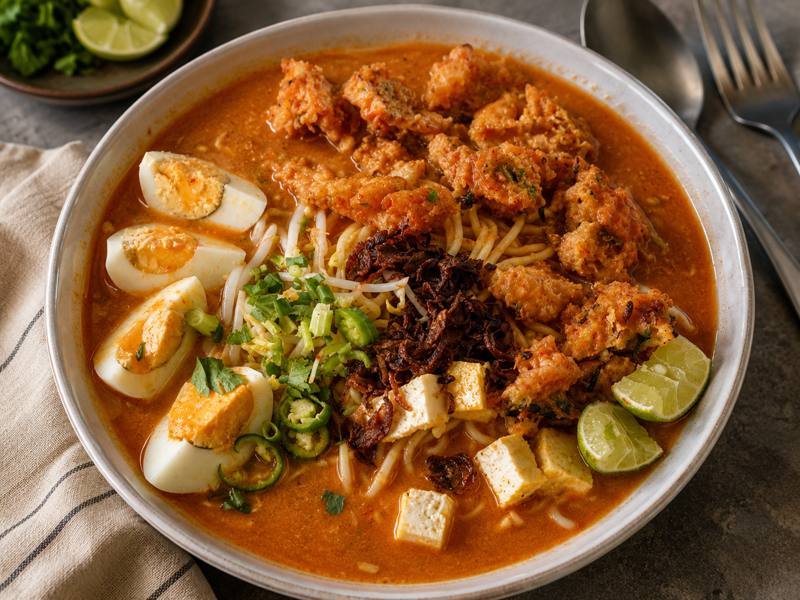
Mee Rebus Johor Yellow noodles in a thick, sweet-savoury sweet-potato gravy, topped with egg, tofu and lime.
-
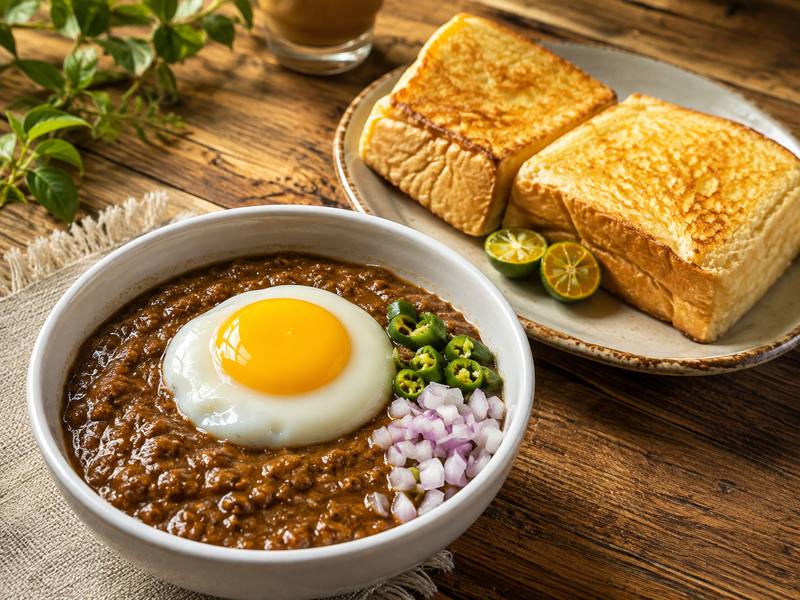
Kacang Pool Mashed fava beans with spices, a fried egg and toast — a legendary Johor Bahru breakfast.
09
Pahang
Did you know? During the 1891–1895 resistance, Mat Kilau had British telegraph lines cut to disrupt the colonisers' communications.
-
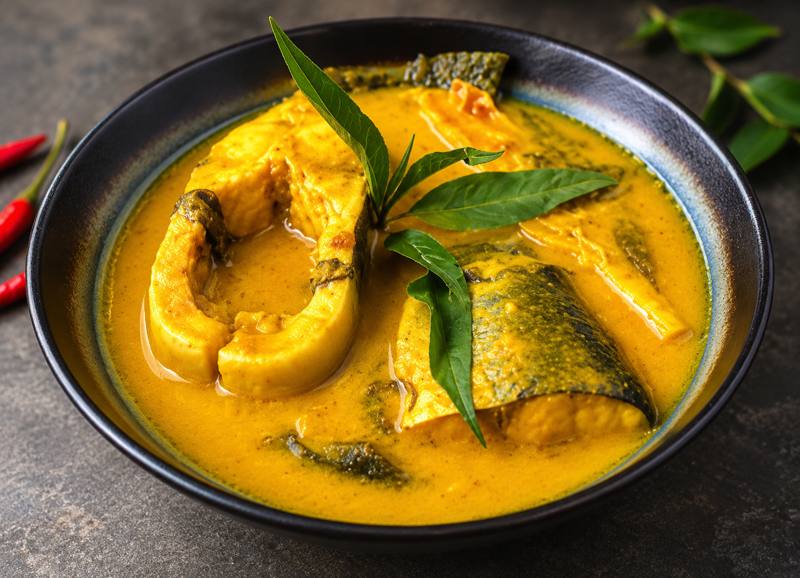
Gulai Tempoyak Ikan Patin Pahang River patin cooked in fermented durian — sour, creamy, spicy. Temerloh’s pride and joy.
-
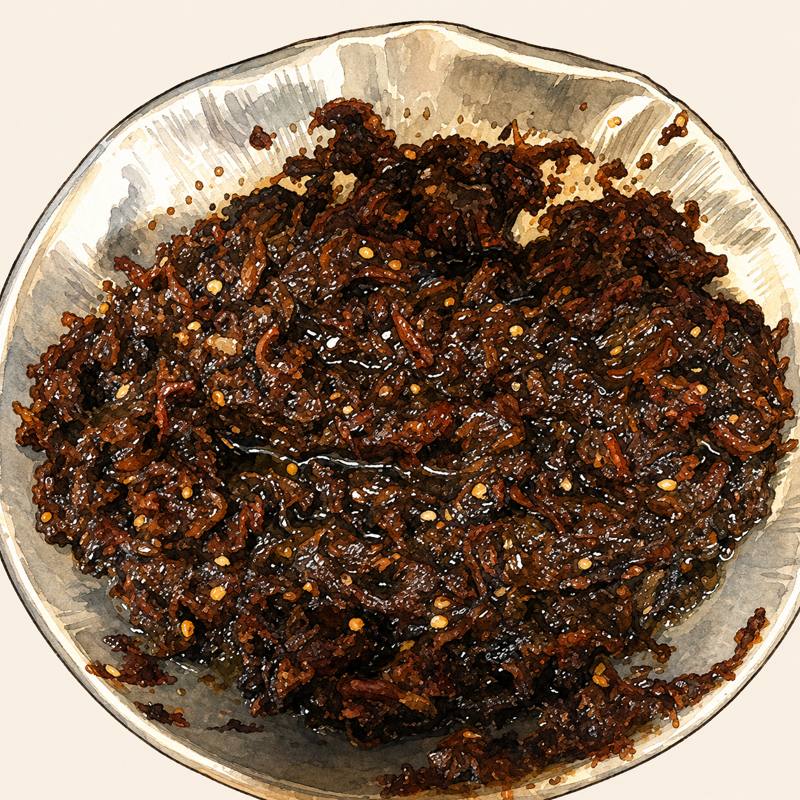
Sambal Hitam A jet-black sambal of belimbing buluh slow-cooked for hours with anchovies and bird’s-eye chilli.
-
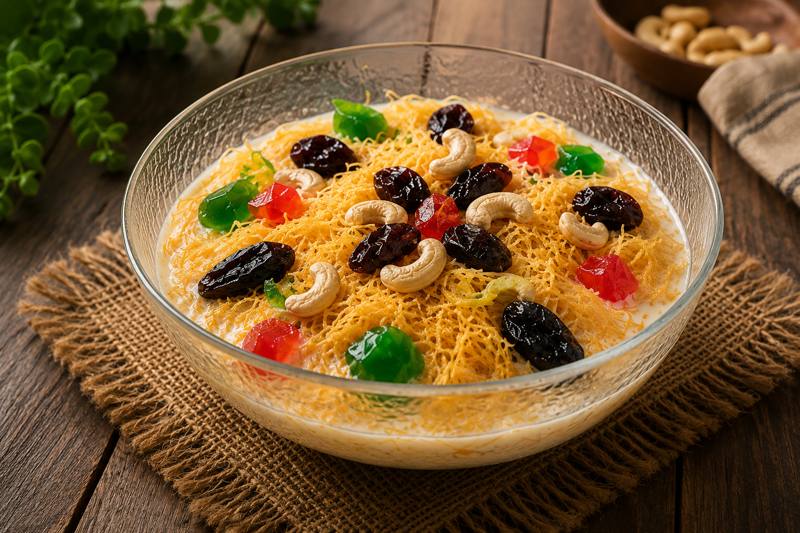
Puding Diraja A banana pudding studded with nuts and fruit — from the Pahang palace, now a festive favourite.
10
Terengganu
Did you know? In 1928, Haji Abdul Rahman Limbong led a farmers’ uprising in Terengganu against British rule.
-
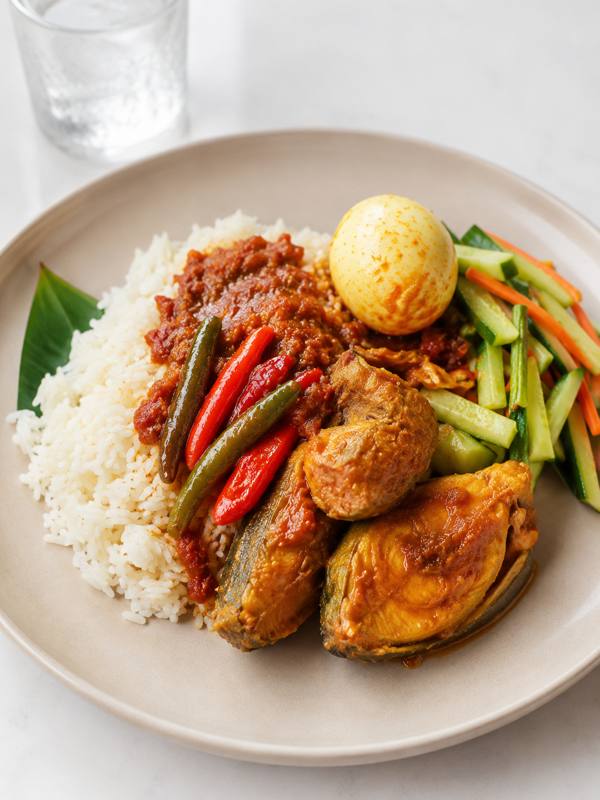
Nasi Dagang Rice and glutinous rice steamed in coconut milk, with tuna curry — once the packed meal of travelling traders.
-
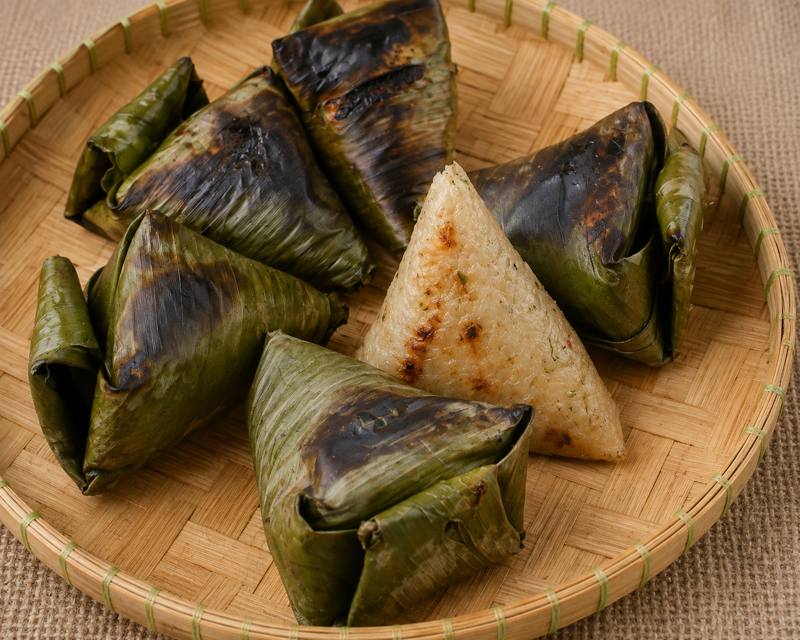
Satar Spiced minced fish wrapped in banana-leaf pyramids, skewered and grilled over charcoal — the aroma of the East Coast.
-
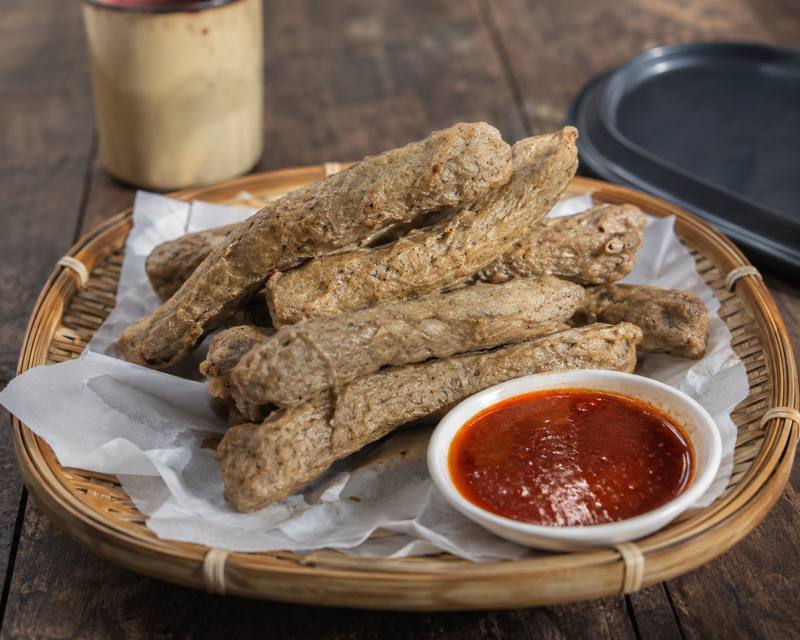
Keropok Lekor Fish blended with sago, boiled then fried — the East Coast snack you eat with its tangy dip.
11
Kelantan
Did you know? As early as 1915, Tok Janggut led resistance against British taxes and administration in Kelantan.
-
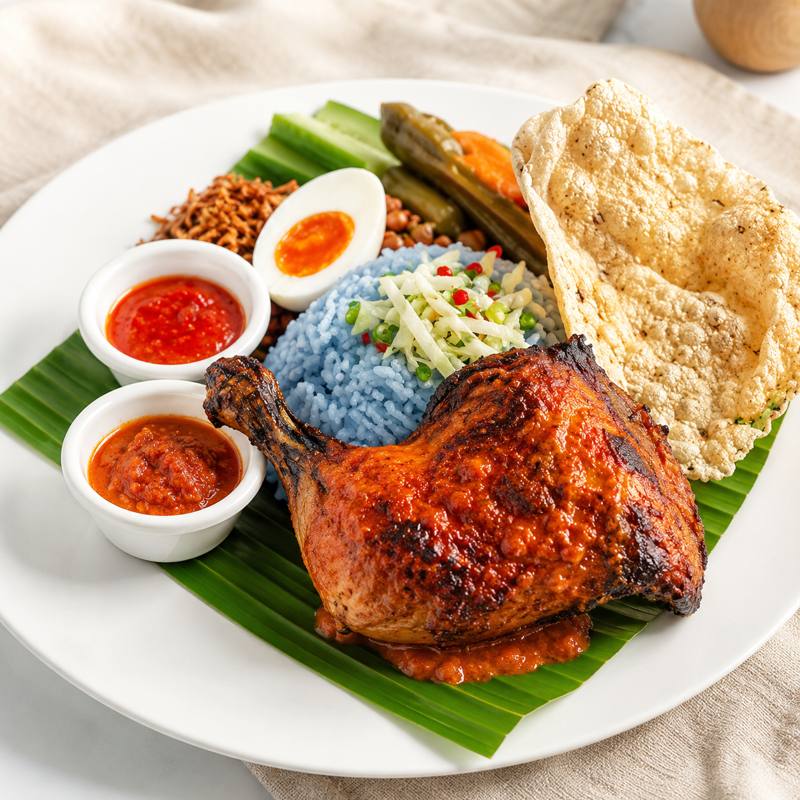
Nasi Kerabu Butterfly-pea blue rice with fresh herbs, budu and keropok — a Kelantan village on one plate.
-
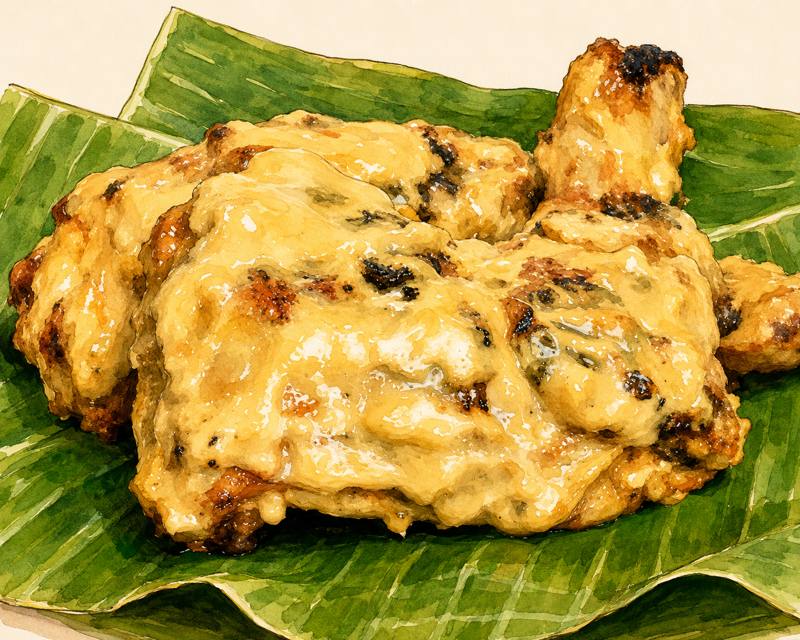
Ayam Percik "Percik" means to drizzle — coconut gravy is basted over the chicken as it grills. Kelantan’s version runs sweeter.
-
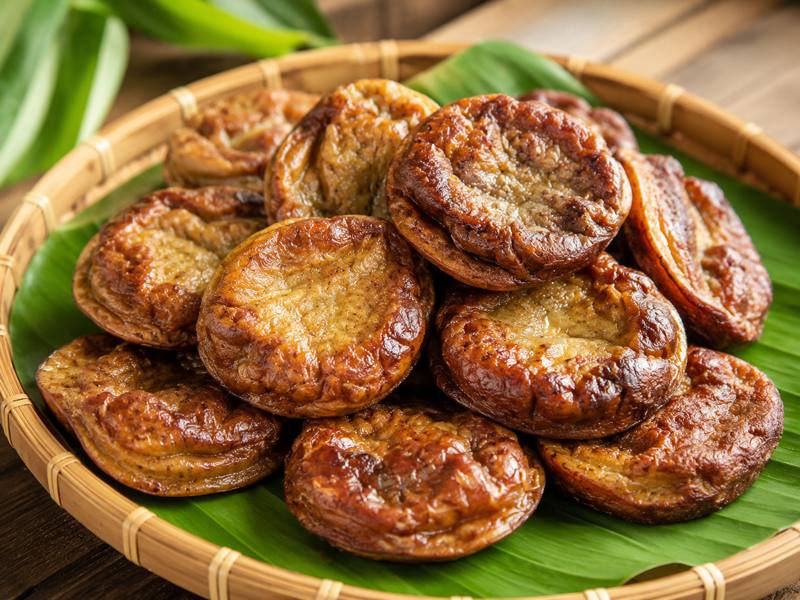
Kuih Akok An egg-and-coconut-milk kuih baked in moulds — sweet, soft, and pure Kelantan teatime.
12
Sabah
Did you know? On 31 August 1963, North Borneo began self-government — a date now celebrated as Sabah Day.
-
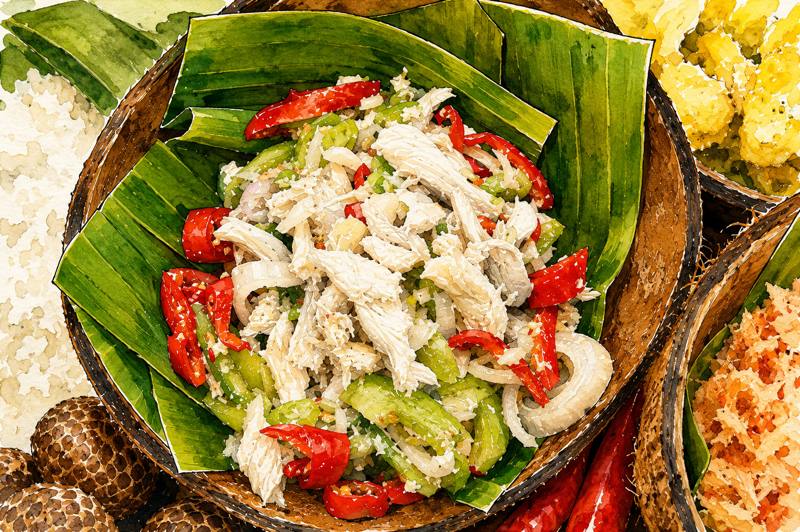
Hinava Fresh fish "cooked" in lime juice with ginger and chilli — a Kadazandusun signature.
-
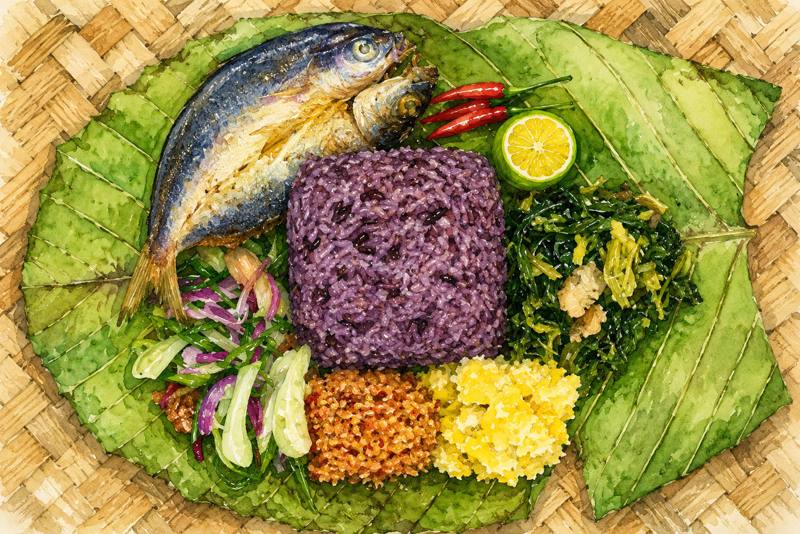
Linopot Rice, sometimes mixed with root crops, wrapped snugly in leaves — the farm-day meal of generations.
-
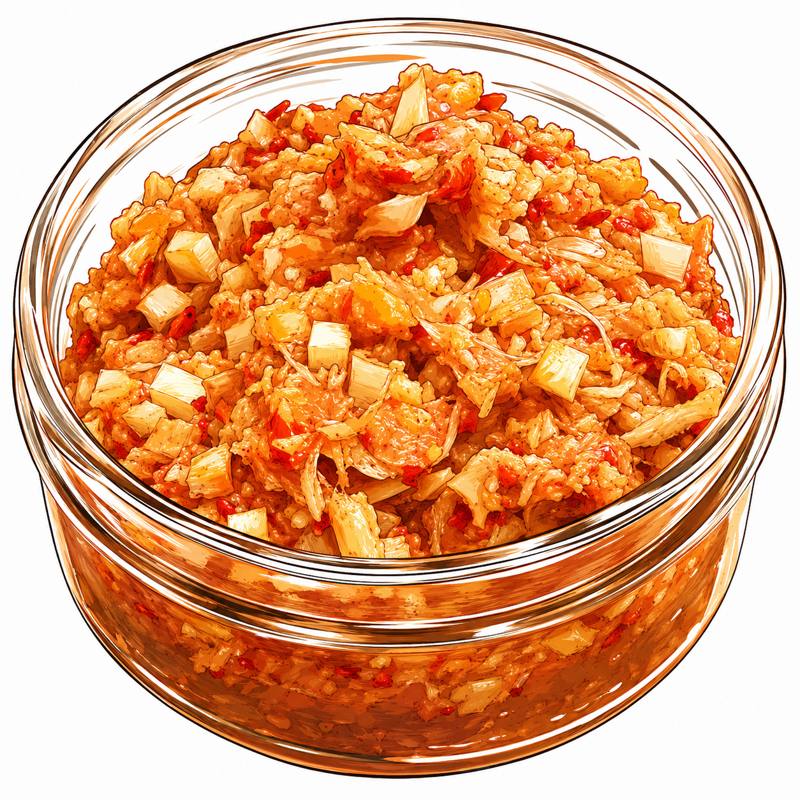
Tuhau Wild Bornean ginger, finely sliced and pickled — sharp, sour and unmistakably Sabahan.
13
Sarawak
Did you know? Sarawak became self-governing on 22 July 1963 — 56 days before Malaysia was formed on 16 September.
-
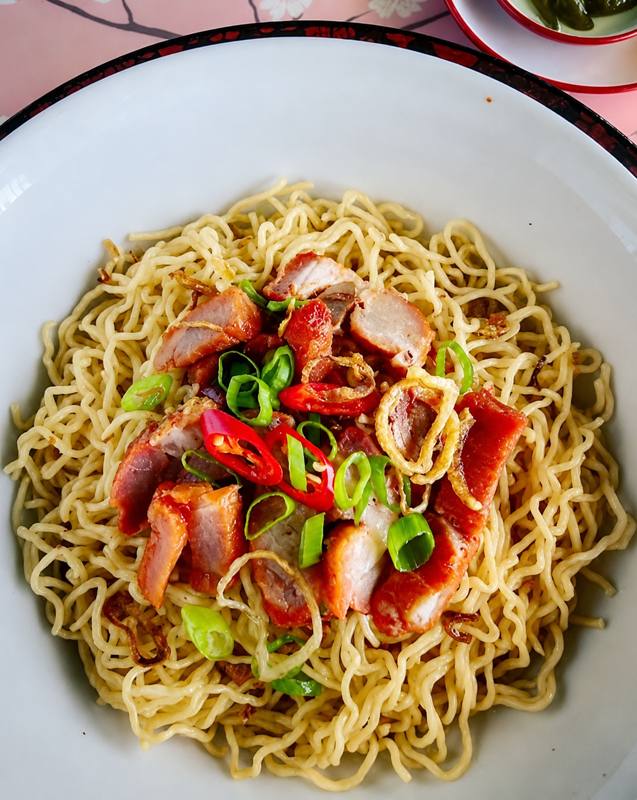
Kolo Mee Springy noodles tossed in oil and seasonings with char siu and minced meat — Kuching’s essential breakfast.
-
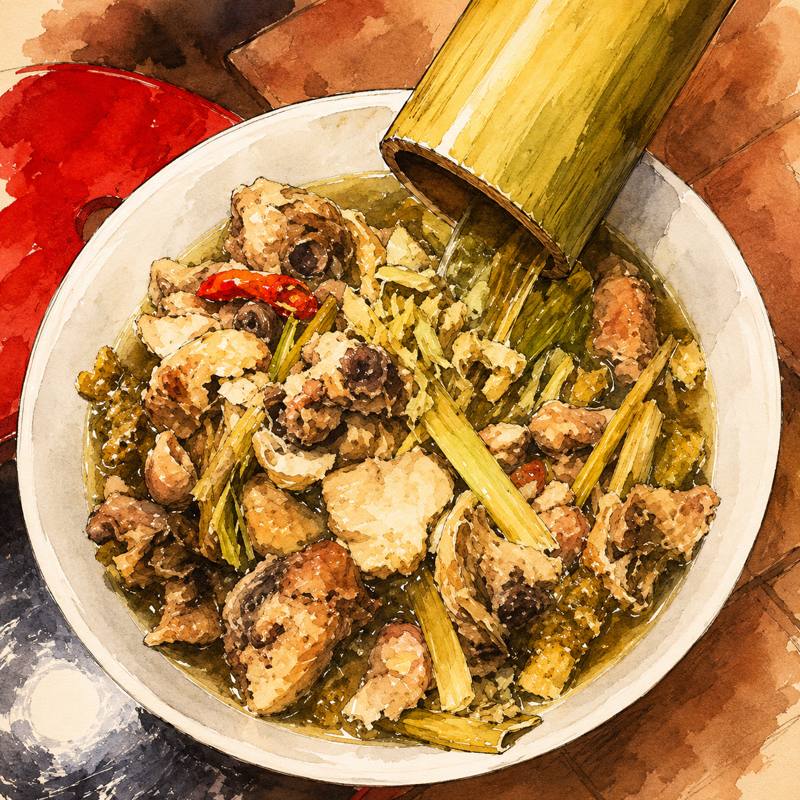
Manok Pansuh Herb-marinated chicken slow-cooked inside bamboo over fire — a Dayak heritage recipe.
-
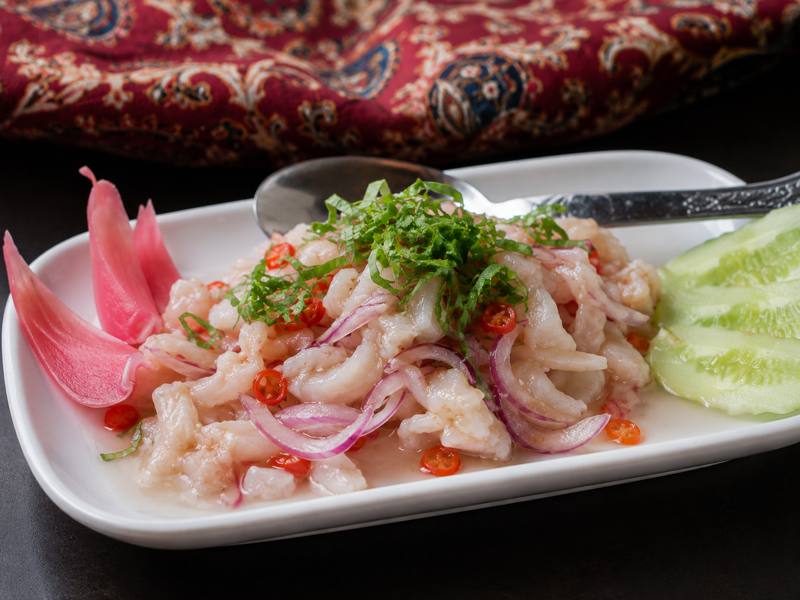
Umai Fresh raw fish tossed with lime, chilli and onion — a Melanau fisherman’s dish.
14
Federal Territories
Did you know? Stadium Merdeka was finished just 10 days before it hosted Tunku’s "Merdeka!" proclamation on 31 August 1957.
-
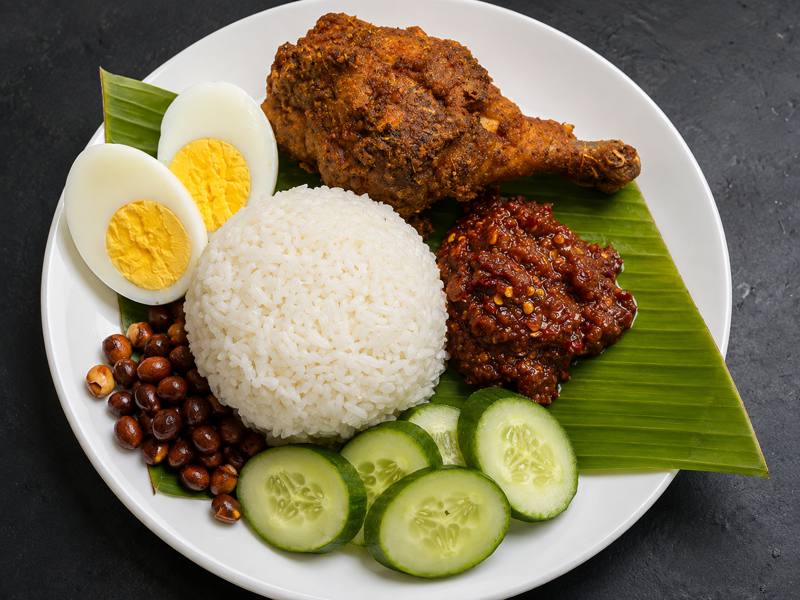
Nasi Lemak From Kampung Baru banana-leaf bundles to the whole nation — Malaysia’s (unofficial) official breakfast.
-
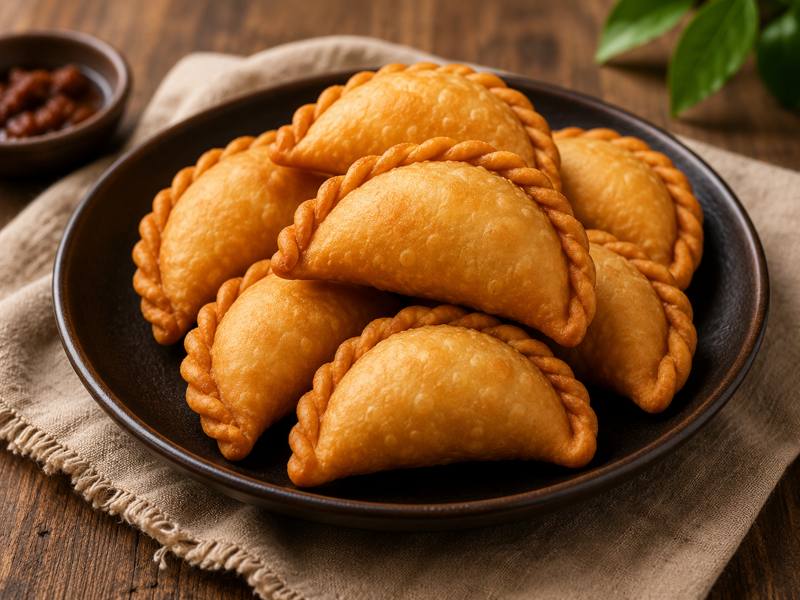
Karipap Crimped, crisp pastry with a curried potato filling — the standing companion to afternoon tea around Putrajaya.
-
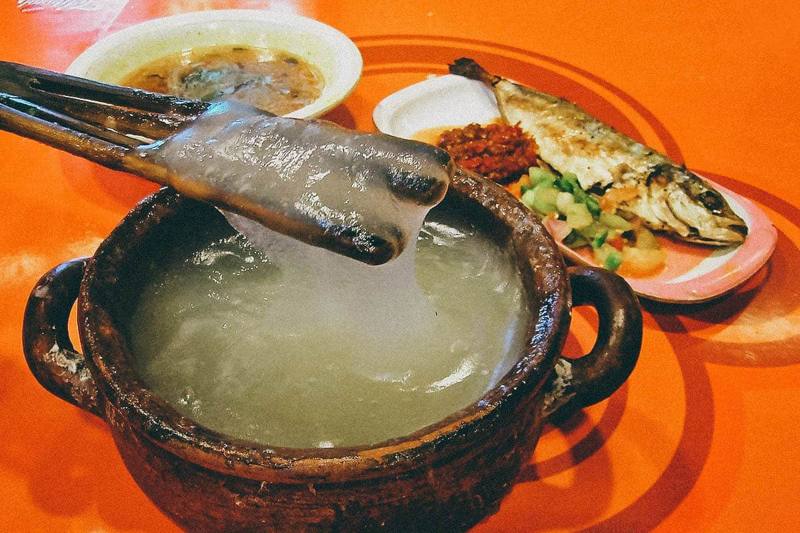
Ambuyat Glutinous sago twirled on a bamboo fork and dipped in a sharp, spicy sauce — a Labuan dish made for sharing.