
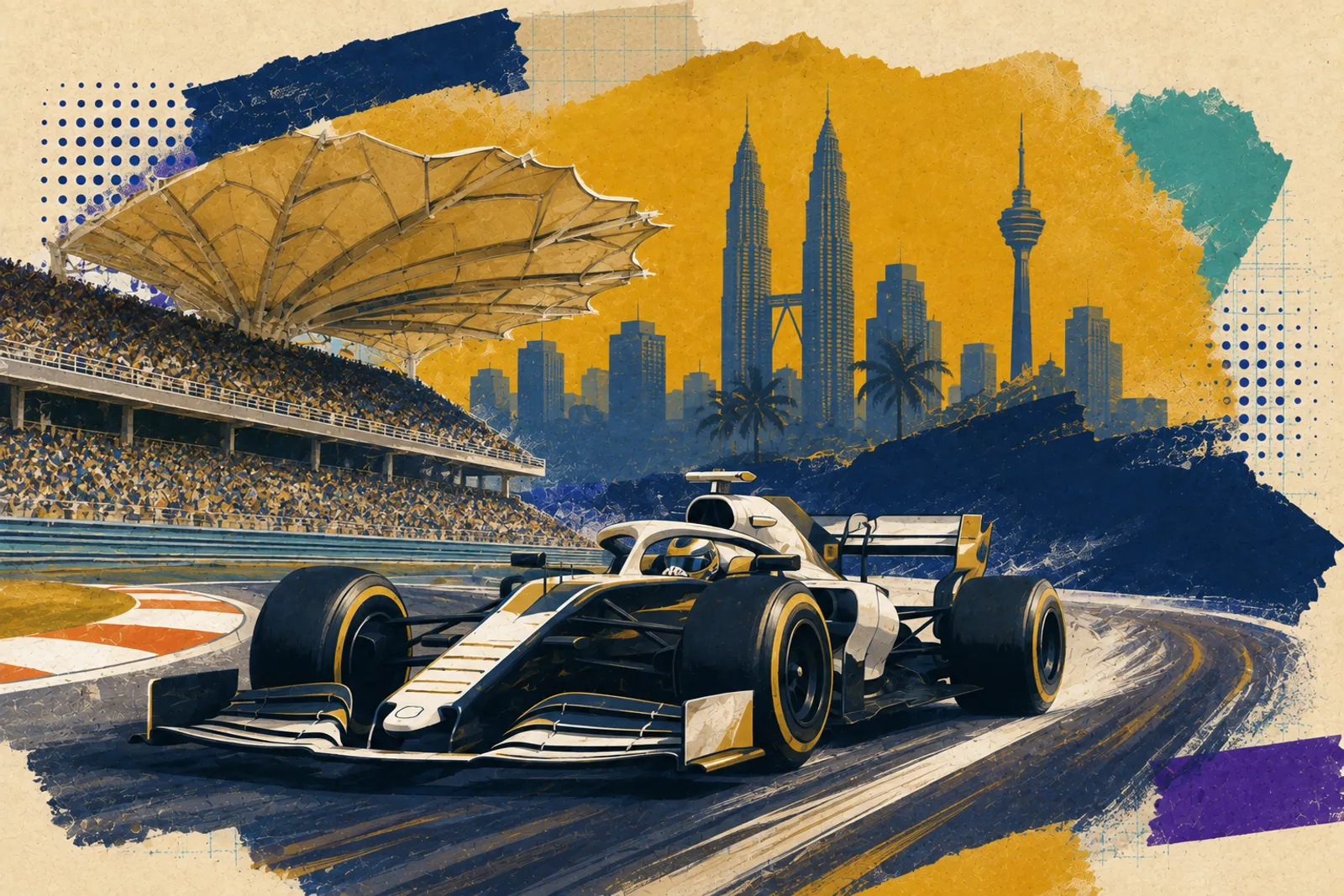
For the first time since 2017, Formula 1 is returning to Sepang.
The Formula 1 Gulf Air Bahrain Grand Prix will take place at the Sepang International Circuit from 2 to 4 October 2026, after the original Bahrain race was cancelled.
For Malaysian F1 fans, that sounds like a comeback. But there is an interesting catch,this isn't actually Malaysia's Grand Prix.
So why is F1 coming back to Sepang and what does Malaysia really get from hosting it?
Malaysia Didn't Plan to Bring F1 Back
Just last year, Malaysia ruled out returning to the F1 calendar, with the cost being one of the major concerns.
Hosting an F1 race can involve hundreds of millions of ringgit in fees and operating costs. Sepang also requires ongoing maintenance to keep the circuit at the standards required for international motorsport.
So bringing F1 back permanently isn't a cheap decision.
That's why the 2026 race is different.
Malaysia isn't signing up for a new long-term Malaysian Grand Prix. Instead, Sepang is stepping in because another race can't go ahead.
Why Does Bahrain Need a Replacement?
The Bahrain Grand Prix was originally scheduled for April but was cancelled amid the ongoing conflict in the Middle East. The Saudi Arabian Grand Prix was also affected.
With races disappearing from the calendar, F1 needed somewhere else to hold the event.
But you can't simply pick any racetrack.
The replacement venue needs to meet strict requirements, including FIA Grade 1 certification, have a suitable date available and be capable of organising an international race at relatively short notice.
Sepang ticked the boxes.
The circuit already has the required certification, the infrastructure to handle a major international sporting event and, importantly, an available weekend.
So when F1 needed a replacement, Sepang was already race-ready.
But Who Is Actually Paying for It?
This is where things get interesting.
There have been reports that Bahrain is footing the bill for the replacement race.
But F1's official announcement does not confirm the details of who is paying which costs.
Instead, F1 thanked Malaysia for its “generosity” in helping make the replacement possible.
That distinction matters because hosting a race and owning the commercial rights to a race are not necessarily the same thing.
Malaysia Gets the Economic Spillover
If this isn't technically Malaysia's race, what does Malaysia get?
One major benefit is economic spillover.
Thousands of fans, tourists, teams, media workers and other visitors can spend money on:
- Hotels
- Restaurants
- Transport
- Shopping
- Tourism activities
- Entertainment
- Local businesses around Sepang and Kuala Lumpur
This is valuable.
But there's an important distinction between hosting an event and owning its commercial ecosystem.
When Malaysia had its own Malaysian Grand Prix, the event was directly tied to Malaysia's branding and commercial arrangements.
This time, the event remains officially the Bahrain Grand Prix, just held in Malaysia.
For example, F1 teams may spend money at the circuit, but a nearby hotel hiring extra staff to accommodate fans is part of the secondary economy created by the race.
So, Is Malaysia Getting a Good Deal?
That depends on what you think Malaysia is trying to achieve.
If the goal is to bring international visitors, activate Sepang and generate tourism spending, hosting the race could be a major opportunity.
But if the goal is to recreate the full commercial value of having a Malaysian Grand Prix, that's a different question.
Malaysia isn't necessarily getting the same commercial rights, branding opportunities or long-term value that come with having its own race.
Why It Still Matters
Even as a stand-in, F1 coming back to Sepang is significant.
The circuit gets another chance to showcase itself to the global motorsport industry. Malaysian businesses can benefit from the visitors. Fans get to experience F1 on one of the sport's most distinctive circuits again.
And perhaps most importantly, it reminds everyone that Sepang is still capable of hosting a world-class motorsport event at short notice.
That could matter if Malaysia ever seriously considers bringing back its own Grand Prix in the future.
F1’s return to Sepang is undoubtedly exciting but calling it a full-fledged Malaysian F1 comeback may be premature.
This year’s race is, in many ways, a stopgap arrangement, brought about after Bahrain’s original event could not go ahead.
Sepang is stepping in, but that does not necessarily mean Malaysia has permanently reclaimed its place on the F1 calendar.
Still, hosting F1 brings clear benefits. Malaysia stands to gain from international tourism, packed hotels, increased spending and renewed global attention on the country.
But beyond the crowds and economic boost lies a bigger question:
Does Malaysia want to become a permanent fixture on the F1 calendar again or is being the circuit the world turns to when plans change enough?
3 Words To Remember!
- Stand-in: something that temporarily replaces another.
- Footing the bill: paying for something.
- Secondary economy: economic activity generated around a major event or industry.
And now we're curious, are you excited to see F1 back at Sepang?
Would you go for the race, the crowd or just the atmosphere?